


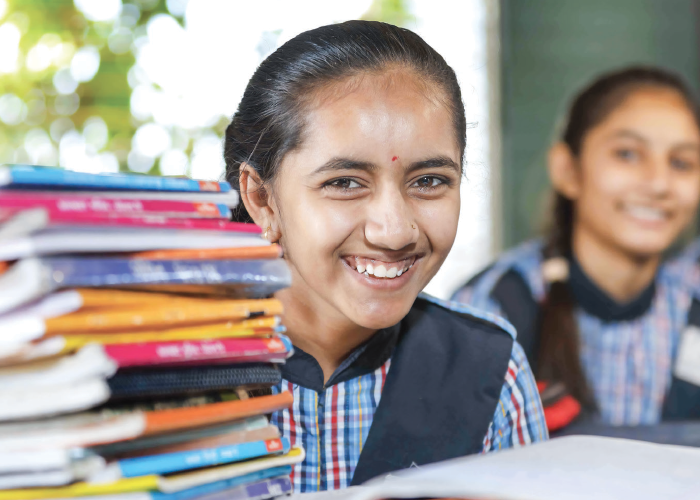
We have extended our support to ‘The Community Library Project (TCLP)’ in Sikanderpur, Gurgaon. This initiative involves providing operational and restoration funds to ensure the smooth functioning of the library. The library serves as a valuable resource for 2,322 members and their families, including migrant workers’ children from disadvantaged backgrounds. It offers a collection of over 12,600 books, fostering a love for reading and learning among the community.
The library also conducts Read Aloud sessions, engaging both children and adults in storytelling and literacy development. In addition, GIWEL has established digital channels dedicated to providing higher education information and support, benefiting thousands of individuals.
Our vocational skill development programme aims to enhance the employability of underprivileged youths. By imparting vocational education in market-relevant skills and essential soft skills, we equip these individuals for employment, entrepreneurship, and community enterprise. The programme focuses on trades such as retail sales executive, healthcare, incense stick making, and beautician courses, based on the job-employability need assessment. Through this programme, we have trained and empowered 1,331 youths till date, including a significant number of women. Many programme participants have successfully found self-employment or secured jobs, contributing to their economic wellbeing and the broader goal of building a self-reliant nation.
We recognise the importance of quality education and infrastructure in nurturing young minds. As part of our commitment to social responsibility, we have supported government schools located near our operating sites. This initiative involves providing infrastructure interventions such as sanitary facilities for girls and educational aids like furniture, laboratory equipment, and interactive teaching and learning tools. By enhancing the learning environment in these schools, we have positively impacted the education and overall development of students. This initiative aligns with the Sarva Shiksha Abhiyan, a government programme aimed at make primary education available to all.
We have implemented several health initiatives aimed at providing accessible healthcare services and promoting hygiene practices.
We have established the Mobile Medical Care Units (MMUs) programme to address the healthcare needs of remote and under-served villages near our operating sites. The MMUs are equipped with medical facilities and staffed by healthcare professionals. These units bring primary healthcare services directly to the doorsteps of villagers, ensuring they have access to necessary medical care. The services provided through the MMUs include free doctor’s consultations, basic medicines, diagnostic tests, and referrals to other healthcare facilities. By delivering essential healthcare services, we aim to improve the overall health and well-being of communities residing in these areas.
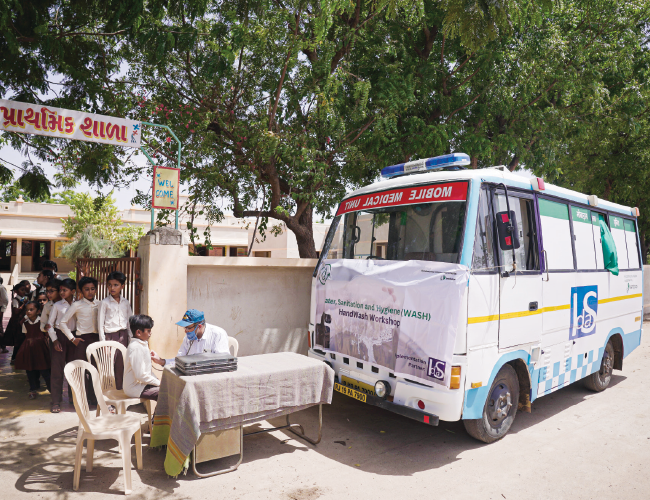
We organise health camps in various districts to provide comprehensive healthcare services to communities in need. These camps are conducted in collaboration with local healthcare professionals and organisations. During the health camps, villagers can avail themselves of free medical consultations, basic medications, diagnostic tests, and referrals for further treatment, if required. By bringing healthcare directly to the communities, we ensure that individuals who may face barriers to accessing healthcare, such as distance or financial constraints, can receive the necessary medical attention and support.
In line with our commitment to promoting hygiene and sanitation, we have implemented a Water, Sanitation, and Hygiene (WASH) programme. This programme focuses on creating awareness among school children about the importance of maintaining proper hygiene practices. Additionally, we support the distribution of sanitary napkins to girl students through vending machines installed in schools. By educating children about hygiene and providing necessary resources, we aim to foster healthier habits and contribute to the overall well-being of the students.
Our sustainability and climate action initiatives are focused on achieving affordable and clean energy, supporting local communities, and fostering environmental stewardship.
To promote the use of clean energy, we have undertaken projects to install solar panels in schools, primary healthcare centres, and women and child development centres across multiple states. By providing access to clean and affordable energy, we are actively contributing to local communities and helping reduce carbon emissions. In addition, we also support India’s national programmes, such as the Deen Dayal Upadhyaya Gram Jyoti Yojana, by providing solar-powered street lights to communities.
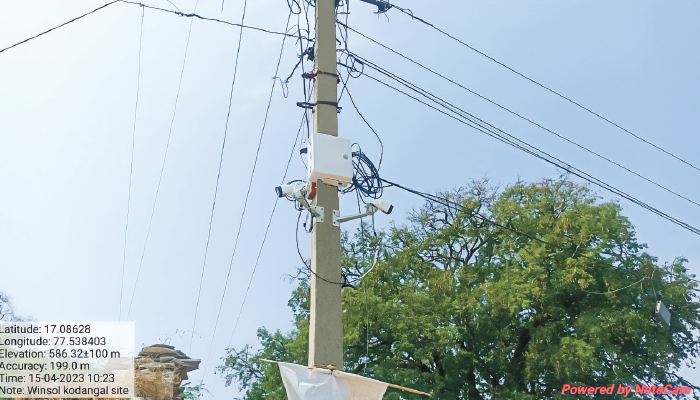
We place a high priority on the safety and security of communities we operate in. To support this objective, we have invested CSR funds in installing CCTV cameras in villages, aiming to enhance the overall security and quality of life for the residents. This initiative aligns with the Pradhan Mantri Adarsh Gram Yojana, a national programme that focuses on the development of model villages.

We have implemented a flagship community investment programme to promote urban afforestation. The programme aims to create dense green cover on urban wastelands through tree plantation. We participate in tree planting activities, with a commitment to plant two trees per megawatt of operational capacity each year. This programme also aligns with India’s National Afforestation Programme (NAP) scheme and the National Mission for a Green India (GIM). By contributing to biodiversity enrichment and the restoration of ecological balance, our afforestation efforts help create a greener environment.

